Here are a few really simple tests you can do at home to know for sure whether your tree is dead or simply a late bloomer.
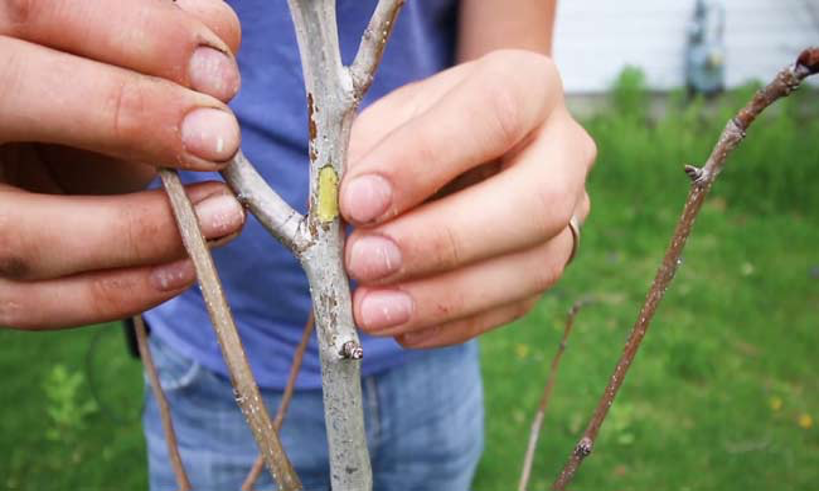
The scratch test: By scratching the outer side of the bark you will be able to reveal the second layer, if it is green, this is a really good sign that there is still hope for your tree and it might just need some more time before it blooms back to life.
The snap test: The second way is by taking a year-old twig and bending it to a 90-degree angle, if the twig breaks, the tree is most likely dead.
Observation: From visual observation, signs like fungus or horizontal cracks are clear signs of a dead tree. You can tell a tree is dead in a much earlier stage by looking at new twigs and seeing whether their buds are dry or green.
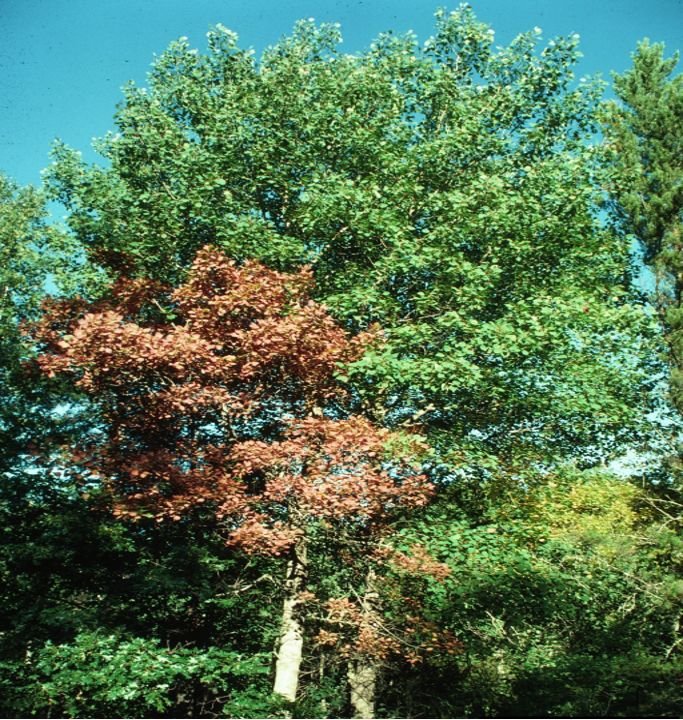
Factors that cause trees to die: In the late summer, the most common causes are related to drought or heat. If trees are under drought stress, this reduces their defense against insect damage or disease-causing organisms. Since most trees are so large, it may take several years for the tree to die due to insect, disease, or drought injury. However, once this starts, it’s almost impossible to reverse the damage.
Protection: It’s important to remember to protect the root systems and trunks of trees when any grading or clearing is done. Never allow machinery to come close to the tree as the roots extend 2 to 3 times the width of the tree’s canopy. If a tree’s roots are cut due to grading, it may take up to 5 years to finally die. Always use silt fencing or some other type of protection around desirable trees to protect them during the clearing process.